Loading...
Serving El Mirage, AZ and surrounding areas. (602) 536-0019
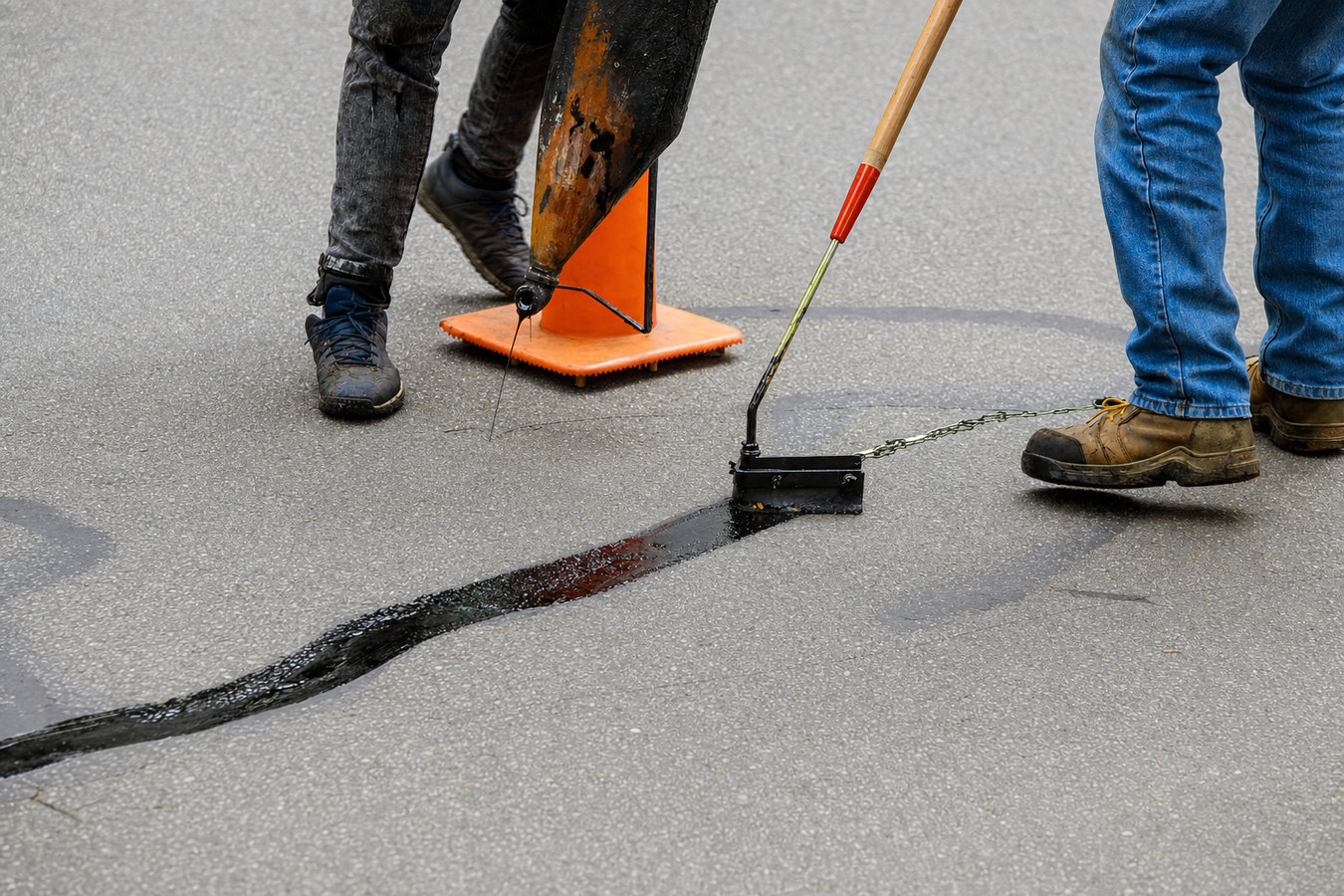
Cracks grow fast in the desert heat. We repair potholes, cracked sections, and sunken areas with proper preparation and materials designed to hold up through an El Mirage summer.
Asphalt repair in El Mirage means removing or filling damaged pavement sections and replacing them with fresh material that bonds to the surrounding surface - most residential jobs are completed in a single day, with the surface ready for normal use within 24 to 48 hours.
El Mirage driveways face a tough combination: intense UV radiation that oxidizes the surface year-round, summer heat that softens asphalt in high-traffic areas, and monsoon storms that push water into every crack and weak point. Small problems here grow faster than they do in most of the country, and waiting until after monsoon season usually means more damage than if you had acted in spring.
If the damage is limited to the surface layer, repair is almost always the right first move. Our asphalt crack sealing service handles narrow, active cracks before they grow into larger failures. If the base has failed or the surface has deteriorated across most of the driveway, we will tell you honestly and discuss your options for a full replacement.
A network of small cracks spreading across the surface like a spiderweb or alligator skin means the pavement is breaking down and water is finding its way in. In El Mirage's intense sun, this type of cracking spreads faster than in a milder climate. Catching it early - before monsoon season - keeps repair costs manageable.
A pothole or depression means the material underneath has failed, not just the surface. Driving over it repeatedly makes it worse, and monsoon rain pushes more water into the gap each storm. This damage needs a proper patch that addresses the base, not just a surface fill.
Fresh asphalt is dark and slightly flexible. When it turns light gray and feels rough or sandy underfoot, the binder has oxidized and the pavement is becoming brittle. This is a direct result of the desert sun and UV exposure across the West Valley, and it signals that the surface needs attention before cracking begins in earnest.
The edges of a driveway are usually the first place asphalt fails because they have less support from surrounding material. Crumbling edges or sections separating from a curb will work their way inward if ignored. This is a common early sign in El Mirage driveways that have gone through several summers without sealing.
Not every damaged driveway needs the same fix, and we never recommend more work than your situation actually requires. For narrow, active cracks that are still in good structural shape, our asphalt crack sealing service cleans and seals the crack to stop water from getting into the base. For potholes, sunken sections, and areas where the base has failed, we cut clean edges around the damaged section, remove the failed material, and install fresh asphalt compacted firmly flush with the surrounding surface.
For driveways that are broadly oxidized, gray across most of the surface, and starting to crack in multiple places, the best long-term value is often our pothole repair combined with a full sealcoat - or in more advanced cases, a complete resurfacing. We will give you an honest assessment of where your driveway stands and what will actually hold up versus what will just delay the problem.
Best for driveways with isolated surface cracks that have not yet compromised the base layer underneath.
Right for potholes, sunken sections, and areas where the asphalt has failed through the surface into the base.
Suited to driveways where the perimeter is crumbling or separating from a curb, border, or neighboring surface.
Ideal when the base is still sound but the surface layer is broadly oxidized, rough, and cracking across most of the driveway.
El Mirage sits in the Sonoran Desert, where summer heat exceeds 110 degrees F and the sun delivers intense UV radiation year-round. Both of those forces break down asphalt faster here than in most of the country - the surface oxidizes, turns gray, and becomes brittle well before the base fails. Caliche, a hard layer common in West Valley soils, can also affect how water drains under your pavement and how a base holds up over time. A contractor with local experience knows how to read these conditions and address them in the repair plan, not just patch the visible damage.
We repair driveways across the West Valley, including work in Surprise, AZ and Peoria, AZ, where the same desert soil and climate conditions apply. Timing repairs before monsoon season is something we actively encourage - water getting into cracked pavement during July storms can turn a straightforward repair into a much larger job by fall. The Asphalt Institute sets the technical standards for repair materials and mix design - we use materials that meet those standards so repairs hold up rather than failing after the first hot summer.
We respond within one business day to set up an on-site look at the damage. Describing what you see - cracks, potholes, sunken areas - helps us come prepared, but the assessment shapes the final quote.
We walk your driveway, probe soft spots, and check whether the damage is surface-level or whether the base has been compromised. In El Mirage, we also look at how water drains and whether caliche or soil conditions are contributing. This gives you a real repair plan, not a guess.
The crew cleans the repair zone, cuts clean edges around damaged sections, and removes failed material before any new asphalt goes down. Skipping this preparation step is the most common reason repairs fail - proper prep is what makes the new material bond and last.
Fresh asphalt is compacted firmly so the patch sits flush and dense. The crew cleans up and gives you curing guidance before leaving - typically 24 to 48 hours off the surface, with extra caution during El Mirage's hottest summer months while the material fully sets.
We come out, look at the damage in person, and give you a straight answer on what it needs. No pressure, no guesswork.
(602) 536-0019A repair only lasts as long as the preparation underneath it. We clean the damage zone, cut clean edges, and address any base issues before placing new material. This is the step that separates repairs that hold for years from ones that fail after the first summer.
We use materials formulated for the Phoenix metro's extreme heat, not generic patching products that soften and separate in sustained high temperatures. Using the right material for this climate is what makes the difference between a repair that lasts and one you are calling about again next spring.
We tell you upfront whether your driveway needs a targeted repair or whether the base damage is extensive enough that a replacement is the smarter investment. A contractor who always recommends full replacement is not giving you complete information. We give you both options with a clear explanation.
Arizona requires paving contractors to hold a state-issued license. You can verify any contractor's license through the{" "}Arizona Registrar of Contractors before signing. We are licensed, carry liability insurance, and provide a workmanship warranty - so you have clear recourse if a repair ever fails prematurely.
The goal is simple: fix it right the first time so you are not calling back in six months. In El Mirage's heat, a repair done with the right materials and proper prep is a repair that actually holds.
For narrow active cracks that are still structurally sound, crack sealing stops water intrusion before it turns a small issue into a base failure.
Learn MoreDedicated pothole patching for failed pavement sections where material has broken through to the base layer.
Learn MoreRepairs done before monsoon season cure properly and protect your driveway through the wettest months - don't wait until the damage gets worse.