Loading...
Serving El Mirage, AZ and surrounding areas. (602) 536-0019
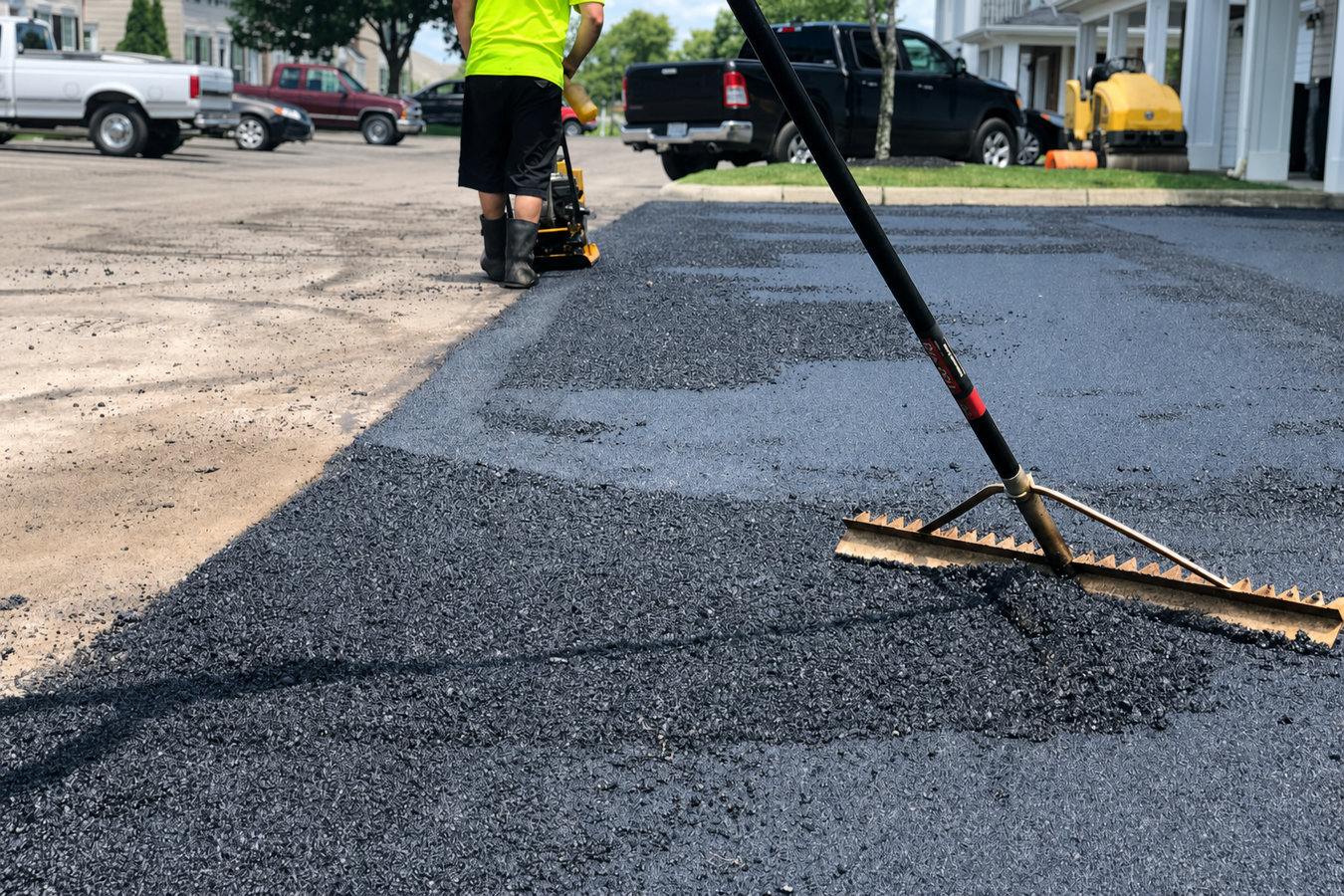
Vertex El Mirage Asphalt Paving serves Phoenix, AZ with commercial asphalt paving, parking lot repair, driveway paving, and sealcoating for properties across the city, from central Phoenix neighborhoods to North Phoenix and Ahwatukee. We have been working throughout the Valley since 2016 and respond to every inquiry within one business day.
Phoenix has a dense commercial landscape from the arterial corridors near downtown to the newer retail and office parks throughout North Phoenix and along the I-10 and I-17 freeways. Our commercial asphalt paving service covers new parking lot construction, full replacements, and phased resurfacing for properties that need to stay open during construction - with base specifications and mix designs matched to the load types and traffic volumes of each individual site.
Phoenix properties that were paved in the 1990s and 2000s - the biggest development era in the city - are now showing the effects of 20 to 30 years of UV oxidation. Sealcoating is the most cost-effective way to protect a structurally sound surface: it blocks UV penetration, slows the binder oxidation that turns asphalt brittle, and prevents monsoon moisture from working into surface-level cracks before they deepen.
Phoenix homeowners in older central neighborhoods and mid-century subdivisions often have driveways approaching 40 to 50 years old, while homeowners in newer North Phoenix communities have driveways from the 2000s now showing significant weathering. A properly installed driveway for a Phoenix home requires base preparation that accounts for caliche and the expansive soil movement that comes with the city's wet-dry climate cycles.
Commercial parking lots and drive aisles throughout Phoenix develop potholes where monsoon water has infiltrated surface cracks and softened the base material below. In high-traffic Phoenix commercial lots, potholes create liability exposure and customer experience problems that compound quickly. We cut to solid material, prep the base, and install compacted asphalt that holds through subsequent heat cycles rather than patching with cold mix that deteriorates within a season.
Phoenix commercial properties are required to maintain ADA-compliant parking layouts, and faded striping creates compliance risk alongside the practical problem of unclear traffic flow in busy lots. We re-stripe parking lots following new paving and resurfacing work, and we also refresh existing striping on lots that are otherwise in serviceable condition but need updated markings to meet current requirements.
With over 500 square miles of properties spread across the city, Phoenix has a wide range of pavement ages and conditions - and crack sealing is the most effective early-stage intervention across all of them. Sealing cracks before the monsoon season prevents the water infiltration that converts minor surface cracking into base failures, extending pavement life by years and deferring the cost of full replacement on both residential and commercial properties.
Phoenix is one of the hottest major cities in the United States, and that extreme heat creates asphalt paving demands that contractors from other climates are not equipped to address. Summer temperatures regularly exceed 110 degrees F for weeks at a time, which softens asphalt binders enough that turning vehicles can rut commercial lots during peak afternoon hours. The same UV radiation that fades paint and degrades roofing materials here faster than in most of the country is also breaking down asphalt surfaces year-round - not just in summer. Once an asphalt surface loses binder flexibility and surface cracks develop, Phoenix's monsoon season does significant additional damage. Intense thunderstorms can drop heavy rain in minutes, and that water moves rapidly into any open crack. In much of Phoenix, the soil beneath pavement is either caliche-hard and non-draining, or clay-rich and expansive - both conditions trap infiltrating water near the base and accelerate pavement failure from below.
Phoenix also has distinct paving needs that vary by part of the city. Older central Phoenix neighborhoods near downtown - areas built in the 1940s through 1960s - have driveways that are in some cases approaching the end of their second life cycle and need full replacement rather than surface repair. Newer communities in North Phoenix and Ahwatukee, developed primarily in the 1990s through 2000s, have pavement that is now entering the high-maintenance phase where sealcoating and crack sealing pay the most dividends. Commercial corridors along the city's wide arterials and near the I-10, I-17, Loop 101, and Loop 202 freeways handle much higher traffic loads than residential streets, and commercial paving in those zones requires proper mix specifications and base depths that reflect actual load demands rather than a one-size approach.
Our crew works throughout Phoenix regularly, and we understand the local conditions that affect asphalt paving work here. Commercial and large residential paving projects in Phoenix go through the City of Phoenix Planning and Development Department, and permit requirements vary by project type and whether work touches the public right-of-way. Phoenix is a large city - over 500 square miles - and the right-of-way rules, drainage requirements, and permitted surface materials can differ between central city zones and newer suburban areas on the far edges of the city limits. We know which parts of the city have tighter requirements and plan accordingly when pulling permits for commercial jobs.
Phoenix covers so much geographic ground that the paving work we do here ranges from older neighborhood driveways near South Mountain and the Biltmore area to large commercial lots in the Desert Ridge and Deer Valley corridors in the north. Landmark roads like Camelback Road, Van Buren Street, and the I-10 and I-17 freeways define the grid we navigate every working day. Adjacent communities we serve regularly include Scottsdale to the east, which shares Phoenix's commercial density and desert climate conditions, and Glendale to the northwest, where similar residential and commercial paving demands keep our crew active. For properties that span Phoenix and a neighboring city, a combined site visit is easy to arrange.
Call us at (602) 536-0019 or submit a request through our contact form. We return every inquiry within one business day and schedule an on-site visit at a time that fits your calendar - commercial clients can request early-morning appointments before business hours.
We inspect the existing surface and base, assess drainage conditions, and identify whether any permit is required for your specific project. The written estimate covers the full scope and cost - including base work if needed - so there are no surprises when the job starts. We also address repair-versus-replace questions honestly at this stage.
We schedule work early in the day during Phoenix summers to avoid peak afternoon heat that affects asphalt compaction quality. For commercial lots that need to stay open, we phase the work and communicate the access schedule clearly before any equipment arrives on site.
We walk the finished surface with you before we leave the site, confirm the work matches the agreed scope, and provide written curing instructions - including the 24 to 48 hour vehicle curing window and any specific guidance for Phoenix summer conditions where surface temperatures can exceed 150 degrees F in direct sun during the curing period.
We cover all of Phoenix, AZ - from central Phoenix neighborhoods to North Phoenix and Ahwatukee. Call or submit a request and we will respond within one business day.
(602) 536-0019Phoenix is the capital of Arizona and one of the five largest cities in the United States by population, covering over 500 square miles of the Sonoran Desert. The city grew rapidly after World War II and expanded dramatically during the 1980s, 1990s, and 2000s, leaving a housing stock that spans everything from mid-century block homes in older central neighborhoods to large master-planned subdivisions on the outer edges of the city. Neighborhoods like Encanto, Willo, and the Biltmore area in central Phoenix represent an older character, while areas like North Phoenix near South Mountain Park and Preserve to the south and Ahwatukee to the southeast reflect the newer suburban development that defined the city's growth during the 1990s and 2000s. Phoenix Sky Harbor International Airport anchors the central part of the city and defines the eastern edge of the core commercial district.
The majority of Phoenix's housing consists of single-family homes on individual lots, with stucco exteriors and concrete tile or shingle roofs built to handle the desert climate. Concrete driveways and paved surfaces are the norm throughout the city, and backyard pools are common enough that concrete pool decks and surrounding flatwork represent an additional category of surface work across all neighborhoods. To the east, Phoenix shares borders with Scottsdale, which has similar residential character with higher commercial density along its major corridors. To the northwest, the city borders Glendale, where our crew regularly handles both residential and commercial paving work. Whether your property is in a decades-old central Phoenix neighborhood or a newer subdivision near the edges of the city, the desert climate conditions that affect asphalt paving are the same across all of it.
Protect your pavement with a durable sealcoat that extends its lifespan.
Learn MoreKeep your lot organized and compliant with crisp, long-lasting line markings.
Learn MoreLarge-scale commercial paving handled with precision and efficiency.
Learn MoreOngoing maintenance programs that keep your parking lot in top shape.
Learn MoreResurface worn pavement for a like-new appearance at a fraction of replacement cost.
Learn MoreProper site grading and excavation to ensure a stable paving foundation.
Learn MoreConcrete curbs and sidewalks that define spaces and improve safety.
Learn MoreSpeed bumps installed quickly to improve traffic safety on your property.
Learn MoreWe serve all of Phoenix - from central neighborhoods to the far edges of the city. Reach out now and we will have your estimate scheduled within one business day.